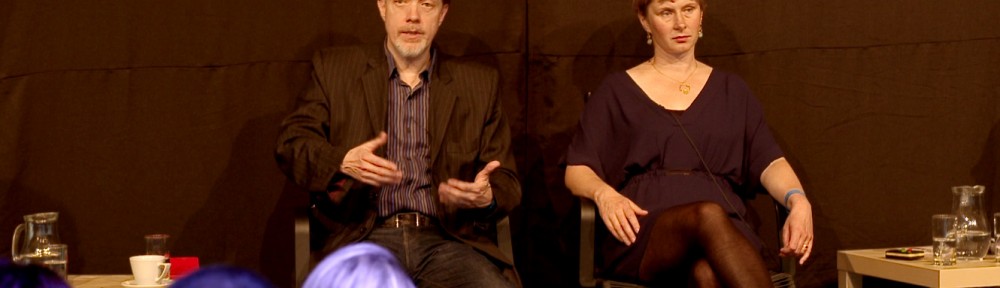
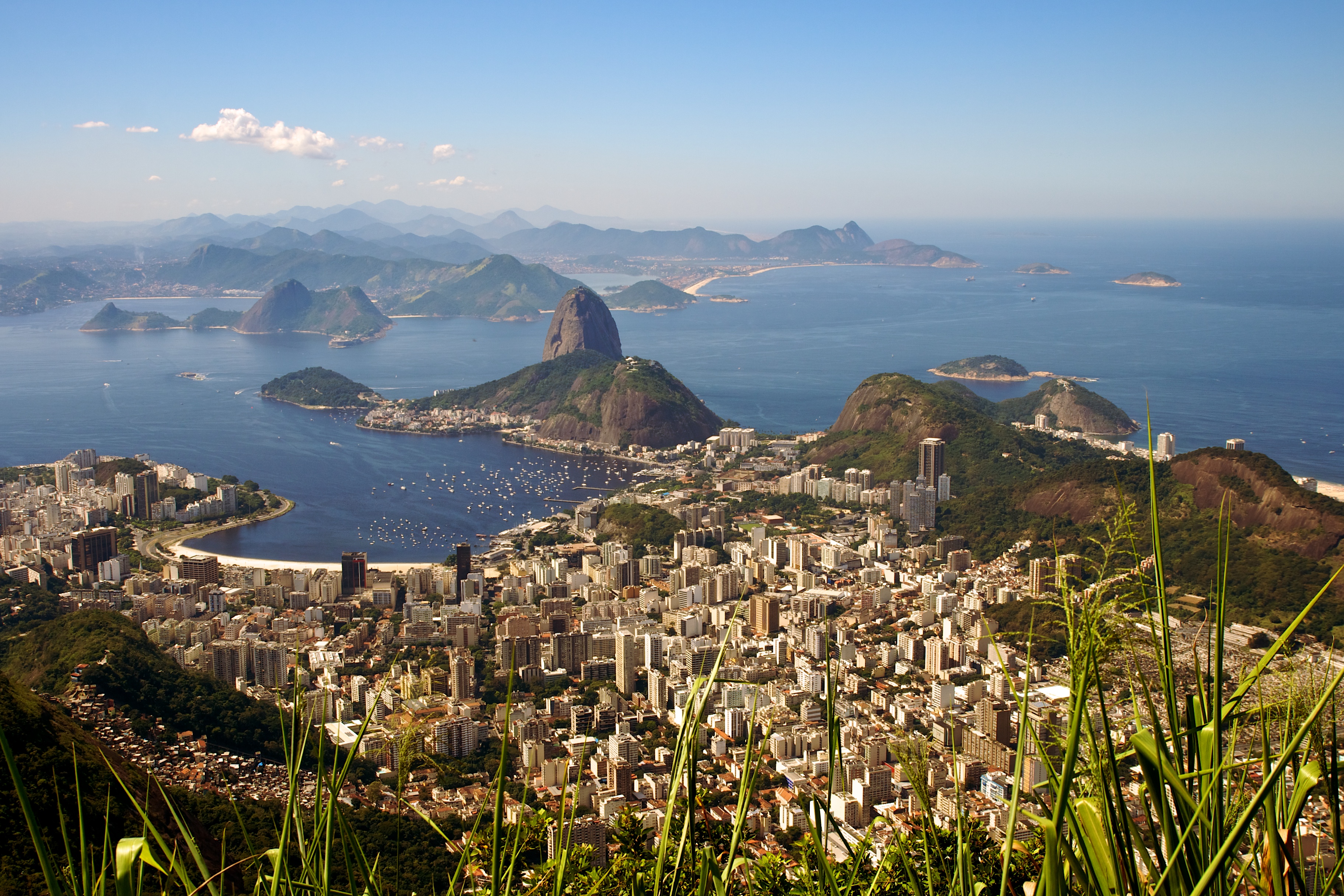
After developing The Memory Network in Malaysia, the Netherlands and the USA, Principal Investigator Dr Sebastian Groes is now forging links with Brazilian colleagues specialising in memory. Groes was awarded a Santander Scholarship to meet and discuss development of the project with colleagues working with an appetite for multidisciplinary work. In Rio de Janeiro, Groes will meet the anthropologist Eduardo Viveiros de Castro, the philosopher Dr Francisco Ortega, the psycholinguist Marcus Amaia, the neuroloinguist Aniela França. In Salvador he’ll discuss the Memory Network’s research with neuropsychologist Professor Neander Abreu and the anthropologist Claudia Martina, amongst others. He already has set up links with colleagues at Pontifícia Universidade Católica do Rio Grande do Sul (Porto Allegre), including the famous pioneer in neurobiology, Ivan Izquierdo. In England, Groes is meeting with the Professor of Psychometrics, Igor G. Menezes (Federal University of Bahia, Salvador), currently an Academic Visitor at the University of Cambridge. The visit to Brazil is intended to explore new funding bids in 2015.